







The Business Case for Long-Term B2B Brand Investment

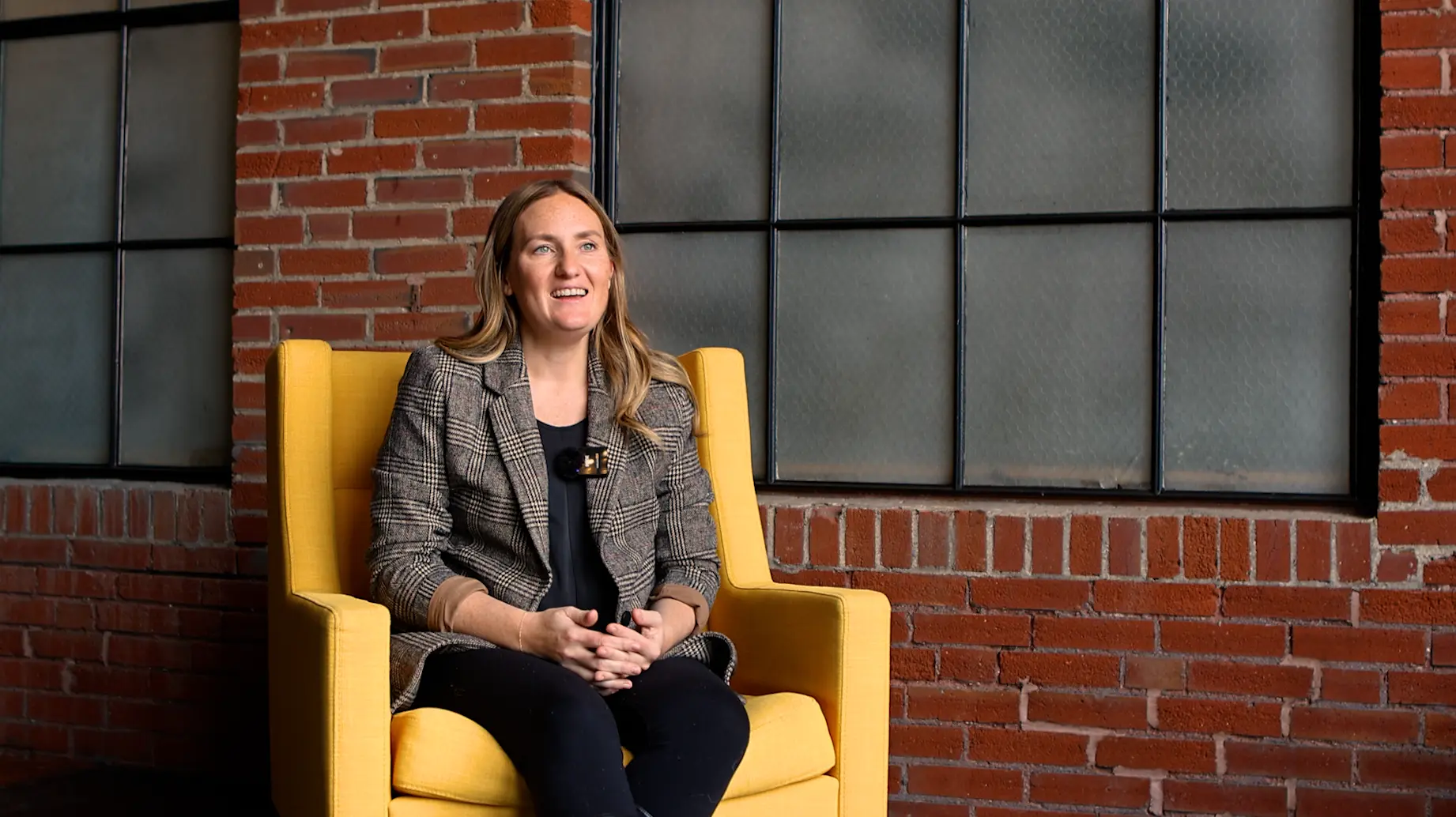
By Emily Kircher, Chief Marketing Officer, HLK
Emily Kircher, HLKs Chief Marketing Officer.

B2B has changed in ways that are easy to recognize but harder to respond to.

Buying committees are larger than they used to be. Decisions involve more stakeholders, more research and more internal discussion. Most buyers are doing that work long before they ever reach out to sales. And while each B2B category has its own nuances, the overall path to purchase is longer, quieter, and far less linear than it once was.

These shifts have real implications for how B2B organizations position themselves for growth. Yet despite widespread awareness of how buying has changed, we see very few organizations meaningfully adjust how they invest. Many continue to optimize for the moment of demand, even as the real work of influence is happening much earlier.

Buyers experience one journey

One of the most important changes in B2B is how buyers experience the journey itself.

They do not separate marketing, sales and brand into distinct stages or departments. From their perspective, there is one experience with a company.

When marketing communicates one message, sales another, and brand shows up inconsistently across touchpoints, buyers feel the disconnect immediately. Confidence drops. Decisions slow. Risk increases.

Alignment between sales and marketing used to be framed as an internal efficiency issue. Today, it directly affects buyer trust. In complex B2B decisions, trust is often the deciding factor. We often see sales teams inheriting conversations where credibility has to be rebuilt from scratch because the experience leading up to that conversation created doubt.

Most of your market is not buying yet

At any given time, only a small percentage of your total addressable market is actively evaluating solutions.

In many B2B categories, 90% to 95% of potential buyers are not in a buying cycle right now. That does not mean they are disengaged.

They are learning. They are forming impressions. They are deciding which companies feel credible, familiar and worth remembering. Brand is what does that work. It builds recognition, trust and familiarity long before demand shows up.

This is where many B2B organizations struggle. Short-term pressure pushes investment toward activation alone, while brand is treated as something that can wait. Attribution models reward immediacy. Dashboards undercount brand impact. And as a result, even smart leaders make tradeoffs that feel rational in the moment but costly over time.

The outcome is predictable. Organizations invest heavily in demand, then wonder why every new buying cycle feels like starting over.

Brand and demand are not competing priorities

There is a long-standing perception in B2B that brand and demand compete for budget and attention.

In reality, they are most effective when they work together.

Brand builds familiarity and trust over time. Demand captures intent when the timing is right. When brand is strong, demand performs better. Sales cycles move faster. Conversion improves. Price becomes less of a barrier because buyers are not starting from skepticism.

The most effective B2B organizations do not choose between brand and demand. Instead, they design systems where the two reinforce each other, with sales aligned to both. Buyers encounter one clear, consistent story.

Long-term brand investment shows up in efficiency

When brand is treated as a long-term business asset rather than a campaign tactic, its impact ripples through the system.

Strong brands reduce friction at the moment of demand. Buyers are more confident. Sales conversations start further along. Marketing efforts become more efficient because they are supported by familiarity and trust.

Over time, this compounds. Cost of acquisition stabilizes. Sales productivity improves. Pipeline becomes less volatile. Brand does not replace performance marketing or sales, but it has the power to make both significantly more effective.

To realize this value, B2B leaders need to reframe how they plan. Move beyond quarterly campaign calendars and start planning around buying cycles. Put the buyer journey at the center and bring brand, performance marketing, and sales into the same plan, working against shared goals, not parallel metrics.

Fragmentation is the biggest challenge ahead

Marketing is often measured one way. Sales another. Brand sometimes not at all.

Buyers experience those silos as inconsistency and confusion.

What buyers want is clarity. One experience. One story they can trust.

The organizations that will succeed are the ones that break down internal silos and align around the customer experience. This is the work we focus on at HLK. We partner with B2B organizations to build brands that move earlier, show up consistently, and support growth across the entire buying cycle—not by choosing between brand and demand, but by aligning them around one clear experience for the buyer.

In a more complex B2B landscape, the brands that win will be the ones built with intention, patience, and a deep understanding of how buying actually happens today.